Lassa Pseudovirus
Comprehensive Neutralization Assay Solutions for Advancing Lassa Research
Lassa pseudovirus Advantages
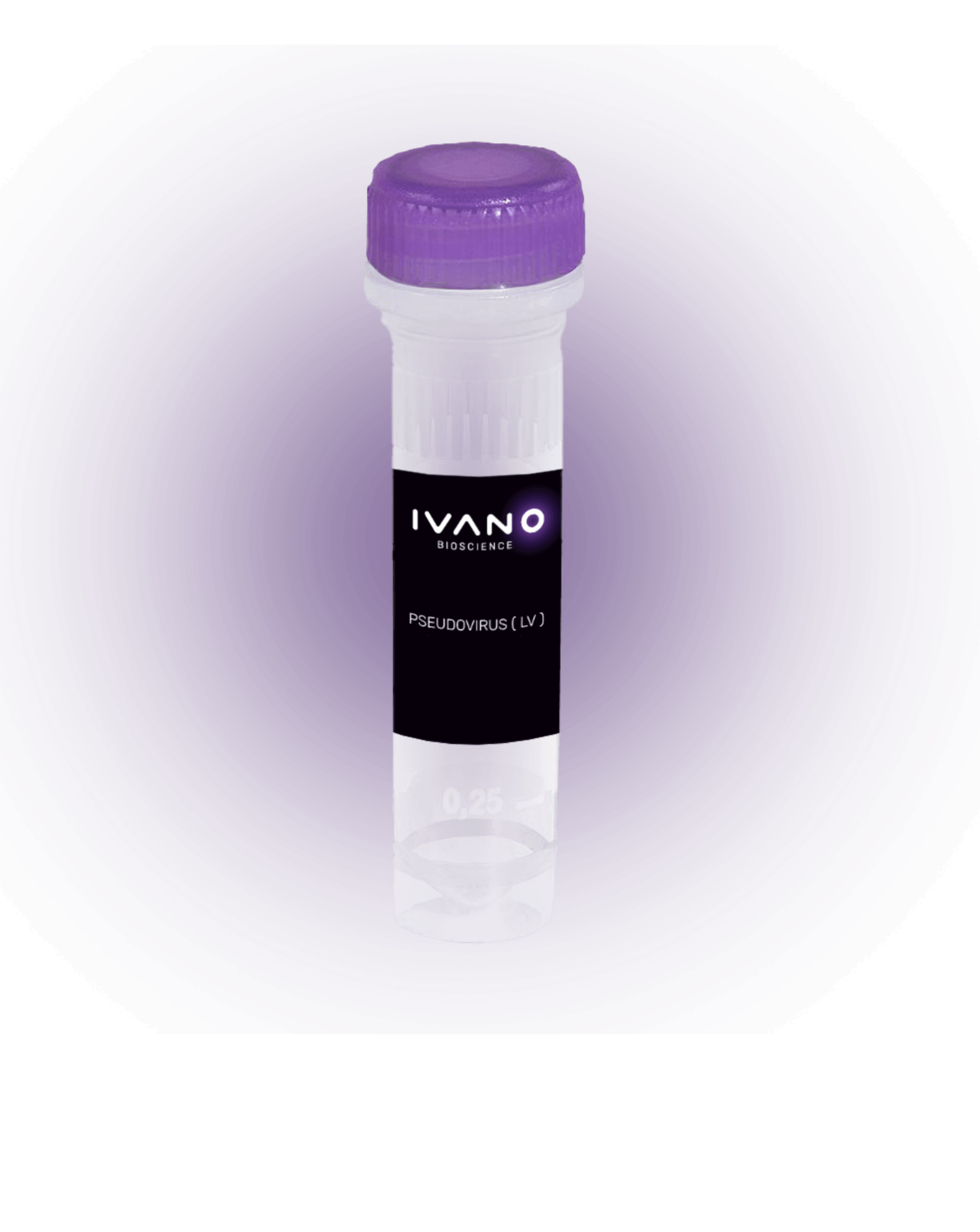
We produce a pseudovirus pseudotyped with the Lassa virus, Mouse/Sierra Leone/Josiah/1976 variant. These pseudoviruses carry a modified genome that expresses a luciferase or a GFP reporter gene.
Up to 1,000 reactions per mL (96-well plate)
Get a signal-to-background ratio of ≥103 with 1 µL per well in a 96-well plate
Infectious titer of at least 105 RLU/µL
The transduction efficiency is evaluated using HEK293T cells.
Lot to lot functionally validated
Infectivity and neutralization are evaluated for each batch
Lead Time: 2 - 3 week
We provide you with freshly produced pseudoviruses
Features
Enable specific detection
Expression of the Lassa Glycoprotein as the sole surface antigen (Uniprot Accession Number: P08669)
Enhanced safety
Our pseudoviruses use a 3rd-generation lentivirus core and must be handled in BSL-2 conditions
Characterization of thermal stability
Stable at least 6 month at -80 °C
Support high-throughput screening

Applications
Pseudoviruses provide a safe and versatile platform for Lassa virus research and the development of therapeutic countermeasures. Lassa pseudoviruses have several important applications in research and development, including:
Vaccine Development
Neutralizing Monoclonal Antibody Screening
Antiviral Resistance Studies
Fundamental Research on Viral Entry
Treatment Efficacy Testing

Background
The Lassa virus (strain Mouse/Sierra Leone/Josiah/1976) is a well-characterized, historically significant isolate of Lassa mammarenavirus, an Old World arenavirus responsible for causing Lassa fever, a severe viral hemorrhagic disease endemic to West Africa. This strain, commonly referred to as the Josiah strain, was originally isolated from a human case in Sierra Leone in 1976 and has been extensively sequenced and used as a reference strain in molecular and structural studies due to its representative genomic features and clinical relevance. The virus possesses a bi-segmented, negative-sense RNA genome, with the small (S) segment encoding the nucleoprotein and glycoprotein precursor and the large (L) segment encoding the polymerase (L) and zinc-binding (Z) proteins; these features are typical of arenaviruses and are essential for viral replication and pathogenesis. Because Lassa virus is maintained in nature by rodent reservoirs such as Mastomys natalensis and can cause severe human disease with significant mortality, the Josiah strain has been broadly used to support vaccine research, diagnostic assay development, and structural biology aimed at understanding viral entry and immune recognition.

Lassa pseudovirus in Publications
The ongoing burden of Lassa fever in West Africa, driven by Lassa virus strains such as Mouse/Sierra Leone/Josiah/1976, underscores the urgent need for effective vaccines and antiviral strategies. By eliminating the need to handle highly pathogenic BSL-4 infectious virus, pseudovirus neutralization assays offer a safe, rapid, scalable, and standardized platform for evaluating neutralizing monoclonal antibodies (mAbs) and antiviral compounds targeting the glycoprotein (GP) of Lassa virus.
Documentations

Quality Control Report

SDS