
H3N2 Influenza Pseudovirus
Comprehensive Neutralization Assay Solutions for Advancing Influenza Research
H3N2 pseudovirus Advantages
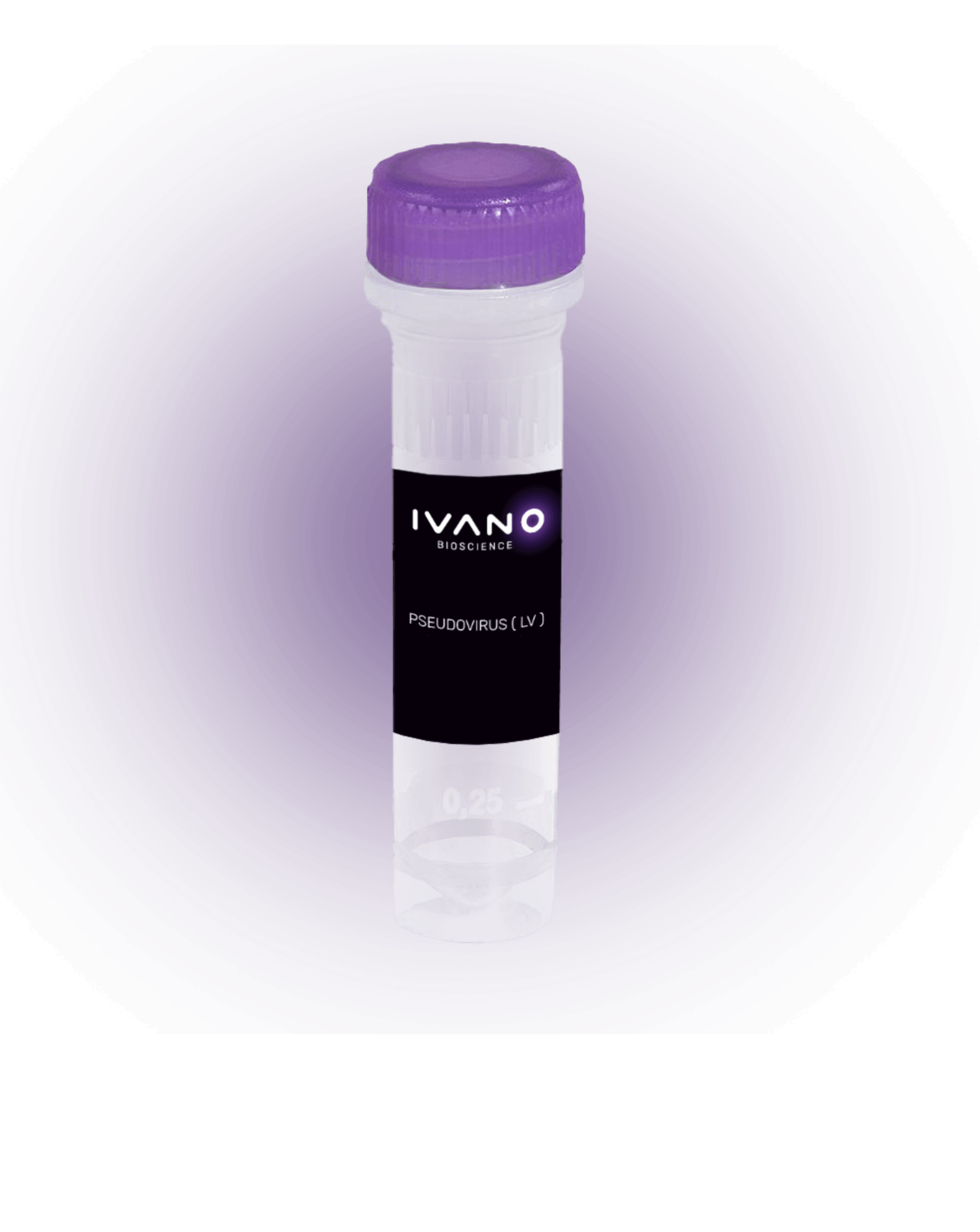
We produce a pseudovirus pseudotyped exclusively with the hemagglutinin protein of the influenza strain A/Hong Kong/1/1968 (H3N2) (GenBank: AAK51719.1), which was responsible for the outbreak in Hong Kong in 1968. These pseudoviruses carry a modified genome that expresses a luciferase or a GFP reporter gene.
Up to 1,000 reactions per mL (96-well plate)
Get a signal-to-background ratio of ≥103 with 1 µL per well
Infectious titer of at least 105 RLU/µL
The transduction efficiency is evaluated using HEK293T cells.
Lot to lot functionally validated
Infectivity and neutralization are evaluated for each batch
Lead Time: 2 - 3 week
We provide you with freshly produced pseudoviruses
Features
Enable specific detection
Expression of hemagglutinin as the sole surface antigen
Enhanced safety
Our pseudoviruses use a 3rd-generation lentivirus core and must be handled in BSL-2 conditions
Characterization of thermal stability
Stable at least 10 month at -80 °C
Support high-throughput screening

H3N2 Pseudovirus Applications
Pseudoviruses provide a safe and versatile platform for influenza virus research and the development of therapeutic countermeasures. Influenza pseudoviruses have several important applications in research and development, including:
Vaccine Development
Neutralizing Monoclonal Antibody Screening
Antiviral Resistance Studies
Fundamental Research on Viral Entry
Treatment Efficacy Testing

H3N2 Influenza Virus Background
H3N2 is a subtype of influenza A virus that emerged during the 1968 Hong Kong pandemic, causing widespread illness and significant global mortality. The A/Hong Kong/1/1968 (H3N2) strain carries 8 segmented RNA genomes (ranging from 890 to 2,341 nucleotides), each coding for key viral proteins involved in replication, transcription, and host infection. Its surface glycoprotein hemagglutinin (HA) is essential for binding to sialic acid receptors on human respiratory epithelial cells, initiating viral entry via endocytosis. Following membrane fusion, the viral genome is delivered into the host nucleus for replication. As a virus that continues to evolve through antigenic drift, H3N2 remains a central target in seasonal influenza surveillance and vaccine formulation efforts worldwide.

H3N2 Pseudovirus in Publications
The continued circulation of influenza A (H3N2) viruses, including the historically significant A/Hong Kong/1/1968 strain, highlights the ongoing need for effective vaccines and antiviral strategies. The pseudovirus neutralization assay, which can be performed safely in standard laboratory settings, provides a rapid and efficient platform for evaluating neutralizing monoclonal antibodies (mAbs) and antiviral compounds targeting the hemagglutinin (HA) of H3N2 viruses.
Documentations

Quality Control Reports

SDS