
SARS-CoV-2 Pseudovirus, JN.1 variant
Comprehensive Neutralization Assay Solutions for Advancing COVID-19 Research
JN.1 variant Advantages
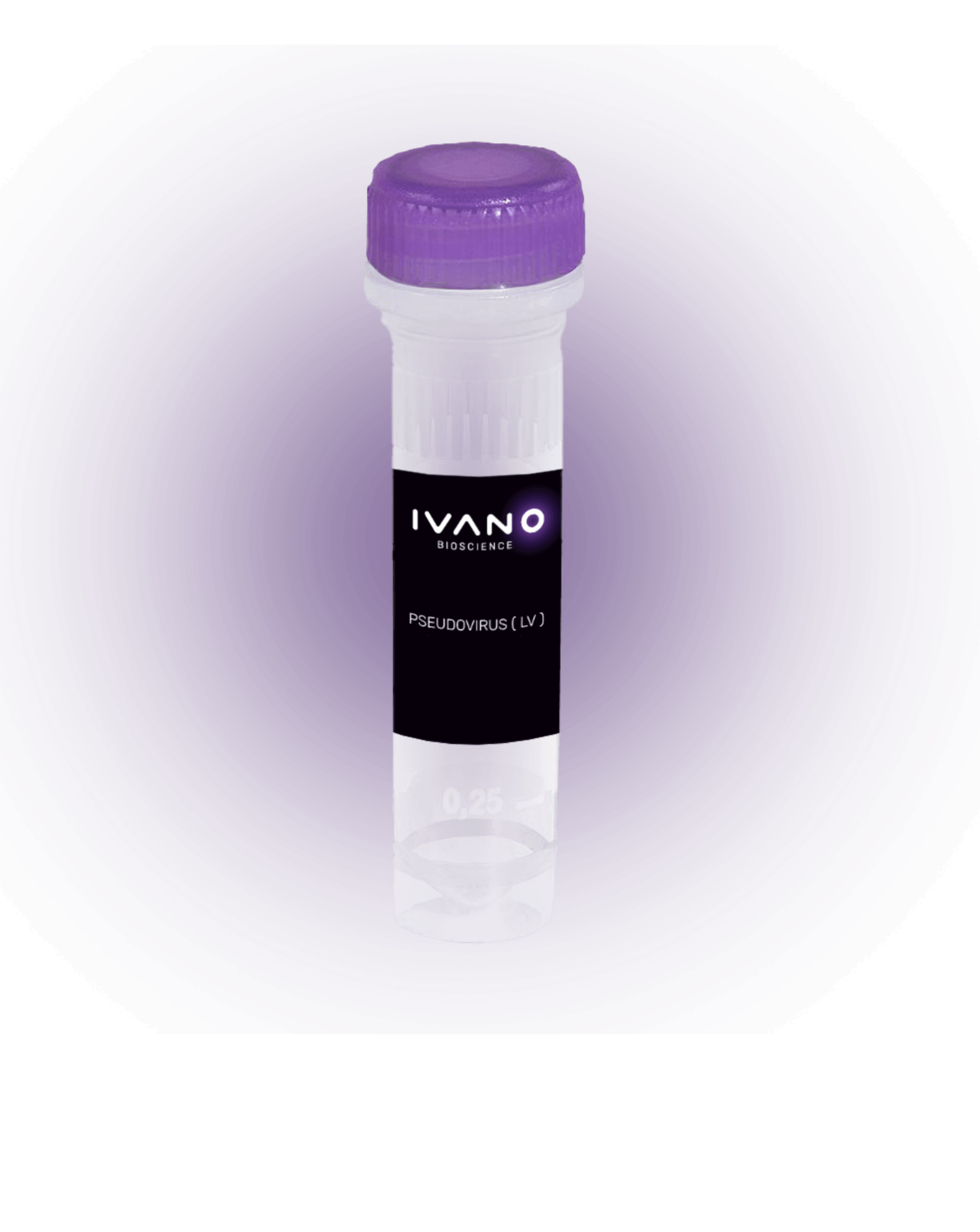
This pseudovirus is pseudotyped with the Spike Glycoprotein of SARS-CoV-2 virus, JN.1 variant (GISAID Accession Number: EPI_ISL_20393961). This pseudovirus carries a modified genome that expresses a luciferase reporter gene (GFP on request).
Up to 2,000 reactions per mL (96-well plate)
Get a signal-to-background ratio of ≥103 with 0.5 µL per well
Infectious titer of at least 105 RLU/µL
The transduction efficiency is evaluated using HEK293 ACE2+ cells.
Lot to lot functionally validated
Infectivity and neutralization are evaluated for each batch
Lead Time: 2 - 3 week
We provide you with freshly produced pseudoviruses
Features
Enable specific detection
Expression of Spike glycoprotein, from JN.1 variant, as the sole surface antigen
Enhanced safety
Our pseudoviruses use a 3rd-generation lentivirus core and must be handled in BSL-2 conditions
Characterization of thermal stability
Stable at least 6 month at -80 °C
Support high-throughput screening

Applications
Pseudoviruses provide a safe and versatile platform for SARS-CoV-2 virus research and the development of therapeutic countermeasures. SARS-CoV-2 pseudoviruses have several important applications in research and development, including:
Vaccine Development
Neutralizing Monoclonal Antibody Screening
Antiviral Resistance Studies
Fundamental Research on Viral Entry
Treatment Efficacy Testing

B.1.1.7 (Alpha) Variant's Background
The SARS-CoV-2 Omicron variant JN.1 (a descendant lineage of BA.2.86) is a highly transmissible variant of interest first identified in 2023 and rapidly spread across multiple countries (WHO). JN.1 is characterized by several additional mutations in the spike protein compared with its parent lineage BA.2.86, including the L455S substitution, which is located in the receptor-binding domain and may affect immune recognition (CDC).
Compared with earlier Omicron sublineages, JN.1 demonstrates enhanced transmissibility and growth advantage, contributing to its rapid increase in prevalence globally during late 2023 and early 2024 (WHO; CDC). While current evidence does not indicate increased disease severity, JN.1 shows immune escape properties that may reduce neutralization by antibodies from prior infection or vaccination, although updated vaccines continue to provide protection against severe outcomes (WHO; CDC). These characteristics highlight the importance of continued genomic surveillance and vaccination strategies to monitor and mitigate the impact of emerging SARS-CoV-2 variants.

SARS-CoV-2 pseudovirus, JN.1 in Publications
The emergence and global spread of the SARS-CoV-2 JN.1 variant, characterized by increased transmissibility and partial immune escape, underscored the need for effective vaccines and antiviral strategies against evolving viral strains. By eliminating the need to handle infectious BSL-3 virus, pseudovirus neutralization assays offer a safe, rapid, scalable, and standardized platform for evaluating neutralizing monoclonal antibodies (mAbs) and antiviral compounds targeting the spike (S) protein of SARS-CoV-2 variants.
Documentation

Quality control reports

SDS