Zaire Ebola Pseudovirus
Comprehensive Neutralization Assay Solutions for Advancing Zaire ebolavirus Research
Zaire Ebola Pseudovirus
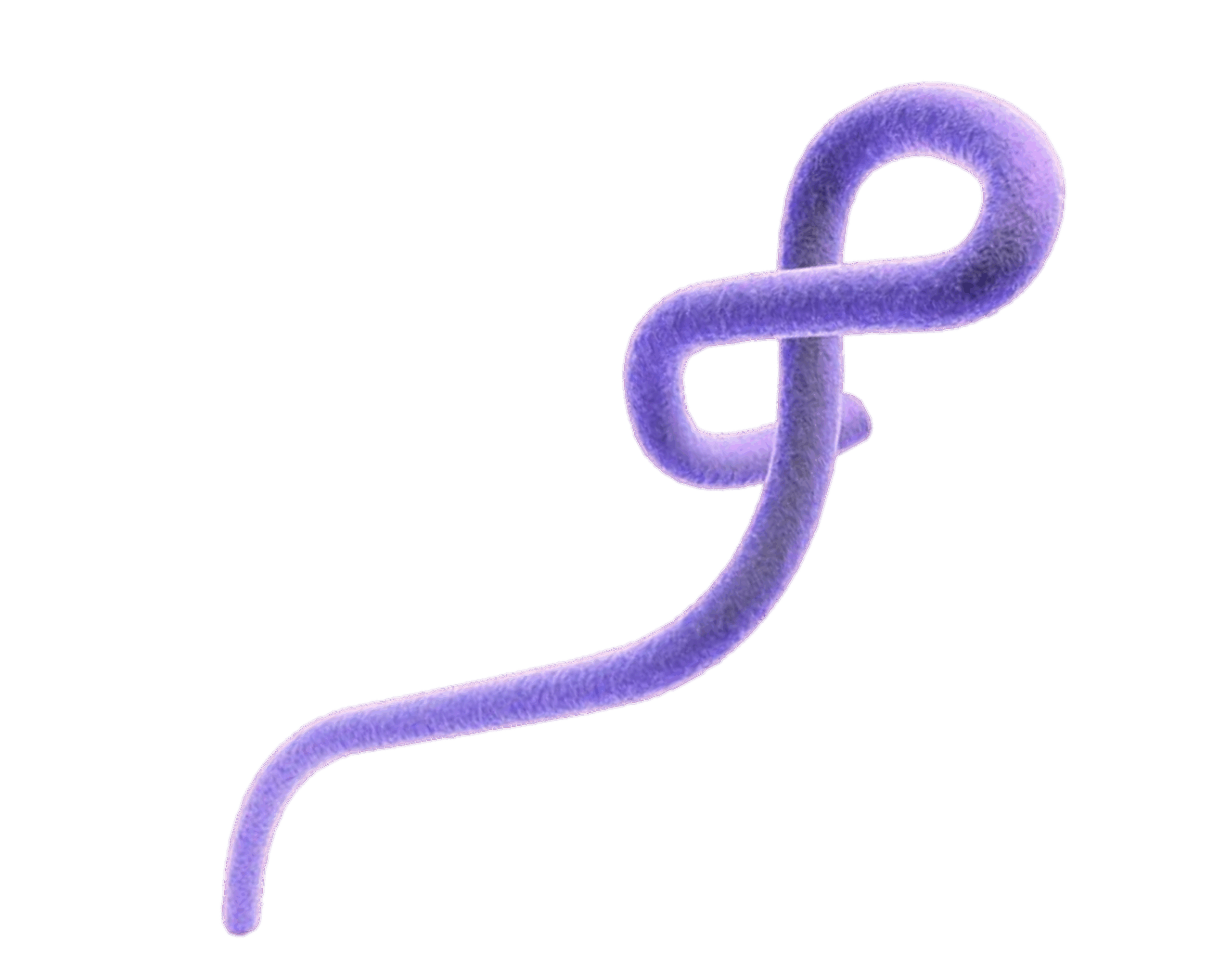
This Ebola pseudovirus is pseudotyped with the Glycoprotein of the Zaire variant (GenBank: KP096420.1). These pseudoviruses carry a modified genome that expresses a luciferase (or GFP) reporter gene.

Zaire Ebola Pseudovirus Advantages
Lot to lot functionally validated
Infectivity and neutralization are evaluated for each batch
Up to 1,000 reactions per mL (96-well plate)
Get a signal-to-background ratio of ≥103 with 1 µL per well
Characterization of thermal stability
Stable at least 10 month at -80 °C
Support high-throughput screening

Zaire Ebola Pseudovirus Features
Infectious titer of at least 105 RLU/µL
Enable specific detection
Enhanced safety
Lead Time: 1 - 3 week

Zaire Ebola Pseudovirus Applications
Pseudoviruses provide a safe and versatile platform for Zaire ebolavirus research and the development of therapeutic countermeasures. These pseudoviruses have several important applications in research and development, including:
Vaccine Development
Neutralizing Monoclonal Antibody Screening
Antiviral Resistance Studies
Fundamental Research on Viral Entry
Treatment Efficacy Testing

Zaire Ebolavirus Background
The Zaire ebolavirus, is the most virulent species of the Ebola virus genus and is responsible for the majority of Ebola virus disease (EVD) outbreaks in humans. First identified in 1976 near the Ebola River in what is now the Democratic Republic of the Congo, it causes a severe hemorrhagic fever characterized by sudden onset of fever, fatigue, muscle pain, vomiting, diarrhea, and, in many cases, internal and external bleeding (WHO). The virus is transmitted through direct contact with the blood or bodily fluids of infected individuals or animals, and it has a high case fatality rate, sometimes exceeding 50% (CDC).
Zaire Ebola Pseudovirus in Publications
Documentations

Ebola Zaire - CoA

MSDS